
 Questions? Reach out!
 Events





Study abroad in
South Africa
A once-in-a-lifetime opportunity to become part of a South African family and school community, stepping into the shoes of a local teenager and experiencing the most authentic side of South Africa.


Going with WEP is best
Since 1988, a wide choice of destinations and comprehensive assistance before, during and after your overseas programme. WEP is the ideal partner for your big overseas adventure.

Like you, we also get to choose who we travel with: our schools, host families and overseas partner organisations are carefully selected.
We offer a custom-made insurance policy, specifically designed for our participants, and we have a solid network behind us.
Emergency assistance, overseas and in the UK, is available 7 days out of 7, 24 hours a day, 365 days a year.
Allowing all our participants to live their desired overseas experience is a mission, a challenge we're thrilled to accept.

Why study in South Africa?
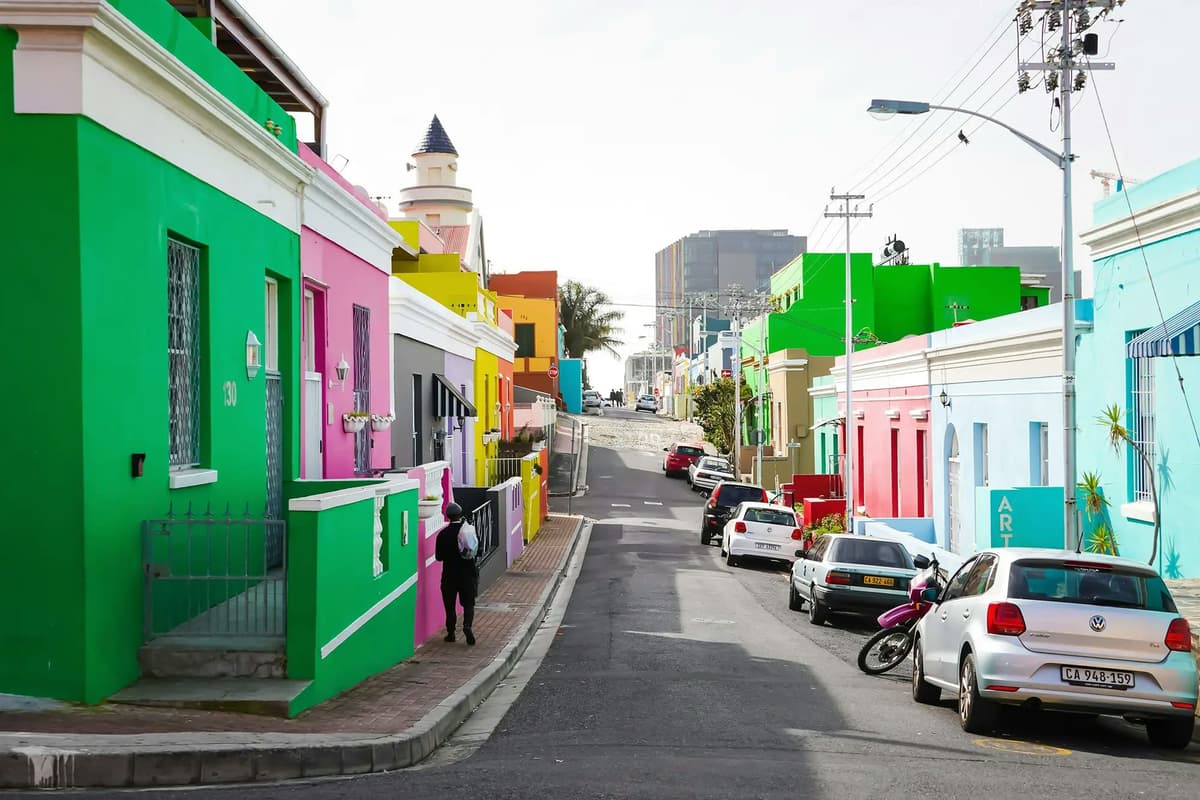
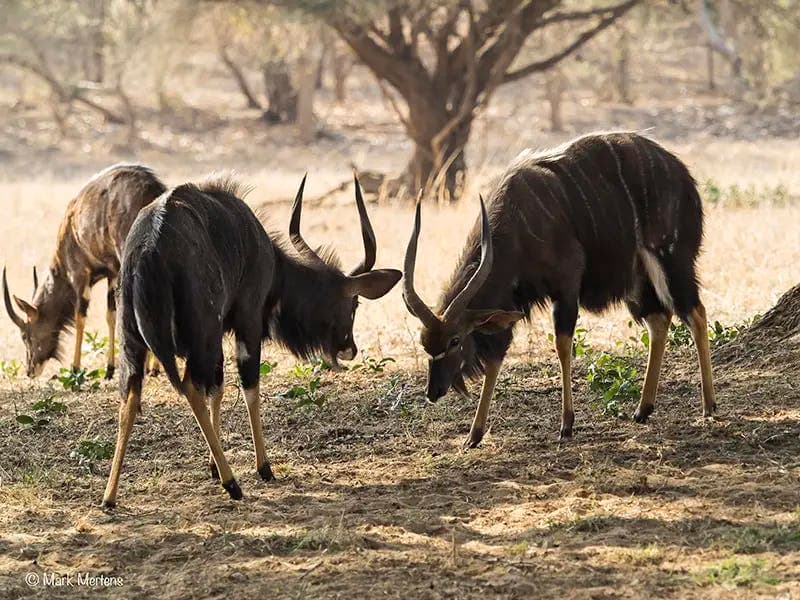
Living and studying in South Africa is a one-of-a-kind type of experience, and the only way to truly get close to the local culture, traditions, and essence. To start with, you'll have a chance to witness the natural wonders that make South Africa one of the most visited destinations in Africa: Kruger National Park, where visitors can see the Big Five, wonderful beaches along the ocean, the majesty of Table Mountain and the desert landscapes of Karoo. The pleasant climate, with mild winters and warm summers, allows for outdoor living and activities almost year-round.
Southafrican culture is incredibly rich and diversified. The country is a melting pot of ethnicities, languages and traditions, creating a vibrant artistic and musical scene, a host of cultural festivals, and a varied cuisine that combines African, Asian and European influences. You won't experience anything similar, anywhere else in the world: the history of South Africa is deeply intertwined with modern culture and reflected in people's everyday life.
Lastly, Southafrican economy, even with its challenges, offers interesting opportunities in areas such as natural resources, technology, tourism and agriculture. Particularly, cities like Johannesburg, Cape Town and Durban are important innovation and business hubs. The cost of living is generally lower than in many other international destinations, allowing for a comfortable lifestyle.
All of these aspects contribute to making South Africa an extraordinary place to live and study in.
Study in South Africa with WEP
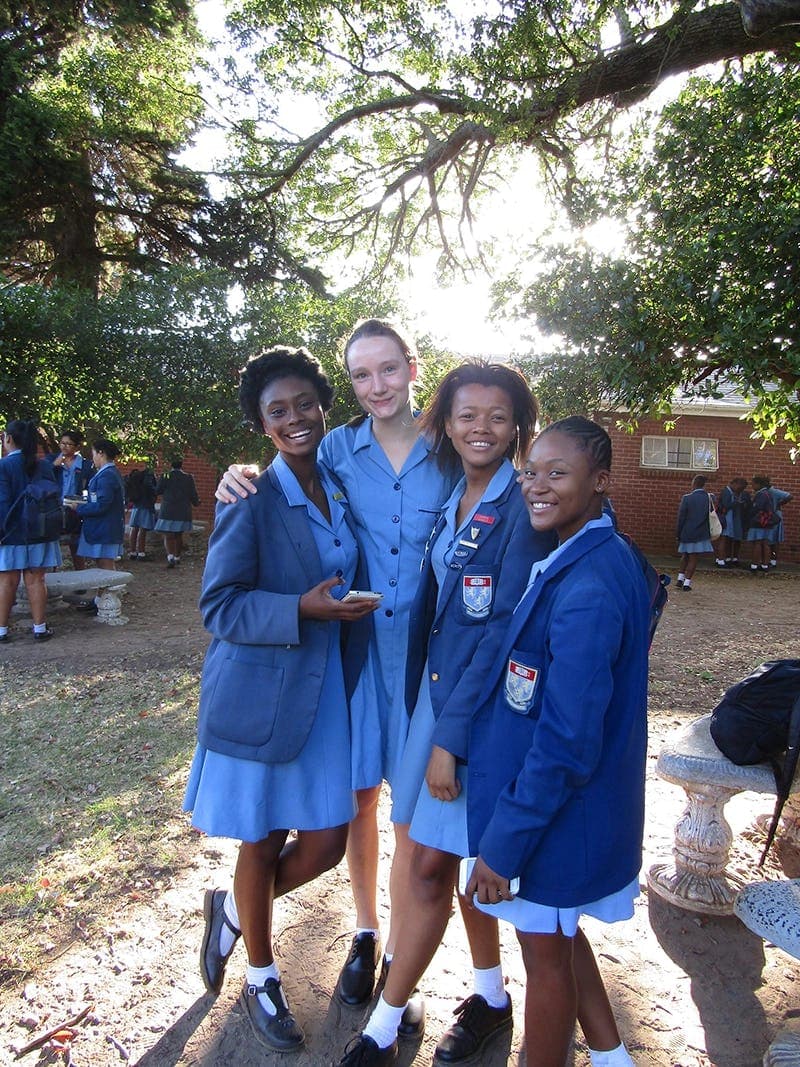
On a WEP high school exchange programme to South Africa, you will have a unique opportunity to step into the shoes of local teenager, experiencing first-hand what life is like in the Rainbow nation. You will attend a local secondary school and live with a welcoming host family, who will expose you to the most authentic side of South Africa and introduce you to their culture and lifestyle.
A study abroad experience in South Africa is bound to provide you with endless opportunities for growth and personal development - you'll return home with an incredbly rich baggage of knowledge, connections and experiences.
The South African education system
The school system in South Africa is dived in two main cycles. Children begin primary school with a Foundation Phase (age 1-3), progressing to an Intermediate Phase (age 4-6) and ending with a Senior Phase (age 7-9). The next cycle, secondary schooling, goes all the way up to year 12, known as matric. The last three years (10-12), which are non-compulsory for South African youth, are known as Further Education and Training (FET) and conclude with the final matric exams to obtain a National Senior Certificate (NSC).
Public schools are funded by the government and may vary in quality - schools in urban areas usually offer a high quality education, whilst schools in rural areas have more challenges. There are also many private schools, which often follow international or specific programmes, and independent schools, offering specialised training.
Higher education includes univerisity and technical and professional institutes (TVET colleges). Universities offer undergraduate and post-graduate degrees, whilst TVET colleges provide more practical programmes aimed at learning a trade of specific craft.
The South African government has recently implemented several reforms to improve access to education and the overall quality of the school system, addressing the discrepancies inherited from the apartheid period. However, many challenges remain and work is still ongoing to level out these differences and raise the bar of education standards at a national level.
FAQ
To participante in a high school exchange programme to Germany, you need to be between 15 and 18 years old on departure, have a C grade average, be a non-smoker, and have positive personal traits - such as being motivated, curious, tolerant, open and adaptable. You also need to be physically and emotionally healthy - please discuss any specific conditions or requirements with WEP in advance.
Our high school exchange programmes in South Africa can be 5- or 10-month long. The exact duration depends on the departure period - please contact WEP for more information.
To decide which duration is best for you, you should reflect on what you would like to achieve through the programme, and discuss your preferences both with your family (they need to be on board!) and with your school. In particular, make sure you discuss with a school representative what their policies are, regarding coming back from an exchange programme and re-integrating into school in the UK.
It's always best to check our website and/or obtain an online quote to see updated programme prices.
We know a high school exchange programme overseas is a significant financial investment. We do our best to offer competitive prices, which vary depending on the destination and chosen programme, and provide discounts and special promotions to help towards the cost.
You will live with a South African host family, who may be located anywhere in the country.